Study Meaning: A Student-Friendly Guide
Study meaning is not “reading your notes again.” It’s the process of changing what you can do under pressure: recall facts without prompts, solve problems faster, and explain ideas clearly. In this guide, I’ll break down what studying really is, the methods that actually move grades, and how those same habits build interview confidence and job-ready skills.
What is the real study meaning beyond “reading”?

Study meaning (in real student life) is: a planned practice loop that helps you remember, apply, and explain information when it counts. Reading is only “input.” Studying is what you do after input to make the knowledge stick.
If you want a clean definition you can quote, Wikipedia describes studying as the act of “devoting time and attention to acquiring knowledge” and improving understanding through learning activities (Wikipedia on studying). The missing part most students feel but cannot name is this: attention is not the same as retention.
Here’s a quick self-check I use with friends before exams. If you can do these without looking, you studied. If not, you mostly read:
| Test | What you do | What it proves |
|---|---|---|
| Blank-page recall | Write what you remember from memory | Retrieval strength |
| Teach-back | Explain it like you’re tutoring a study buddy | Understanding and clarity |
| Timed practice | Solve questions with a timer | Performance under pressure |
One more thing: studying is not just for academics. The same loop applies to interview prep. A mock interview is basically “active recall” for your own experiences.
Types of studying that actually work: active recall, practice, and review
How to study effectively starts with choosing the right “type” of work. Most students only do review because it feels safe. The problem is it creates familiarity, not performance.
Active recall (the fastest way to find what you don’t know)
Active recall means you force your brain to pull the answer out without seeing it first. Flashcards, closed-book questions, and blank-page summaries are all active recall.
This isn’t a motivational claim. Cognitive science backs it hard: retrieval practice improves long-term learning compared to re-reading (APA summary on retrieval practice). When you feel stuck, that struggle is the point. That is your brain building the path.
If you like studying with other people, a study buddy can make recall easier because you can quiz each other and do quick teach-backs. The best study partner is not the smartest person. It’s the person who shows up and asks good questions.
Practice (for problem-solving, skills, and speed)
Practice is when you do the actual thing you will be graded on: solving numericals, writing essays, coding, case study answers, lab work, or presentations. You are building execution.
A simple rule: If your exam is output-based, your study should be output-based. For math, you need problem sets. For theory, you still need to write answers from memory, not highlight paragraphs.
Review (only useful when it’s spaced and targeted)
Review is not useless. It’s just often misused. Review works when you do it as spaced repetition (coming back after a gap) and when it’s targeted (you review the exact weak spots your recall exposed).
A practical combo that works for most students: active recall first, then review only what you missed, then do a short practice set.
How to choose a study method for your goal (and your schedule)
The best method is the one that fits your goal and your real week. Not your “ideal” week.
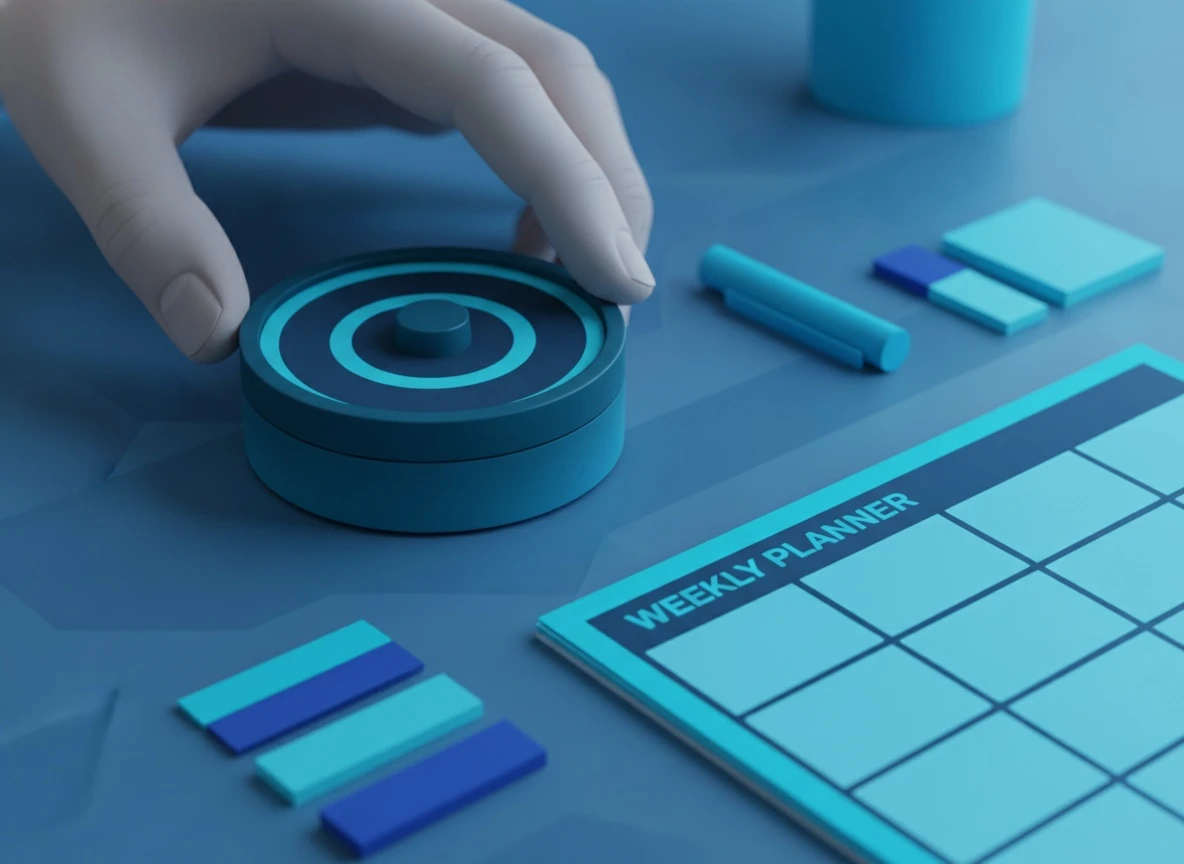
Pomodoro study method is perfect when focus is the problem, not intelligence. It’s simple: study for a short sprint, break, repeat. The timer forces a start, and the break prevents burnout. I’ve seen students jump from “I can’t sit for 2 hours” to “I can do four solid rounds” in a day.
Use Pomodoro when:
- you procrastinate because tasks feel too big
- you are juggling classes, assignments, and career prep
- you need consistent weekly momentum
If you need structure, set a study weekly rhythm: same time blocks on the same days, even if each block is only 25-45 minutes. Consistency beats heroic cramming.
For students who like motivation from a vibe, “study with me” sessions can help. Just be honest: if it turns into passive watching, it’s entertainment. If it turns into timed sprints with clear tasks, it’s useful.
If you want a simple improvement loop, use plan do study act (basically PDCA adapted for learning): plan the session, do the work, study the results (what you missed), act by changing the next session. That last step is what most people skip.
Here’s a quick matching table you can screenshot mentally:
| Your goal | Best method | What to measure |
|---|---|---|
| Pass an exam | Active recall + timed past papers | Score under time |
| Improve GPA steadily | Spaced repetition + weekly plan | Recall rate each week |
| Learn a skill (coding, design, writing) | Deliberate practice + feedback | Output quality and speed |
| Prepare for interviews | Mock Qs + story practice | Clarity, confidence, structure |
If you’re building a study plan that also supports career prep, it helps to keep your calendar realistic. We wrote a practical checklist for students who want structure before meeting a career office: how to prepare for a Sentinel Career Center appointment. The same prep mindset applies to exams too.
Study course meaning: what you’re actually trying to “get” from a course
Study course meaning is simple: a course is not a textbook. It’s a set of outcomes you’re expected to perform. Your job is to identify those outcomes early.
Do this in week one:
- Look at the syllabus and past exam patterns.
- List the top 10 recurring question types or skills.
- Build your study sessions around those outputs.
This keeps you from “studying everything” and still missing what gets tested.
If your course includes projects, treat them like career assets. A mini project is not just for marks. It becomes a portfolio piece and a resume line later.
When you need internship direction, keep a shortlist of legit sources. Use a curated list instead of random searches: job search sites and internship resources saves a lot of time and filters out low-quality listings.
Studying connects to skills, grades, and job readiness (yes, really)
Good study habits do more than raise grades. They build the same “work muscles” recruiters test for in interviews.
Here’s the bridge I want you to notice:
- Active recall builds clear thinking and faster answers. That becomes interview responsiveness.
- Practice under time builds calm under pressure. That becomes assessment and test performance.
- Reflection after sessions builds self-awareness. That becomes better “tell me about yourself” stories.
- Consistent weekly planning builds reliability. That becomes “I can manage workload” proof.
If you’ve ever wondered why some students sound confident in interviews, it’s often not confidence. It’s repetition. They’ve practiced recalling their own experiences the same way they practiced recalling chapters.
Also, please protect your time online. Students get targeted with weird DMs when they start networking. If you’ve ever received a suspicious message, this is worth reading: how to handle “LinkedIn or Interpol” DMs. Staying safe is part of being job-ready.
One more career link: your resume is basically a summary of outcomes. If you’ve been confused about wording, resume/cv meaning is simply “a proof document.” It should show skills with evidence: projects, results, roles, and impact. Studying the right way creates that evidence.
Build a simple study system you can repeat (even on bad weeks)
You do not need a perfect routine. You need a repeatable system.
I recommend a 3-part loop:
First, set a tiny plan for the next session: topic, method, and a measurable target (example: “20 flashcards, 10 questions timed”). Second, do the session with a timer. Third, do a 3-minute review: write what you missed and what you’ll do next time.
If you like tools, a study guide maker can help you compress topics into one page, but only after you’ve tested yourself. If you create the guide before recall, you will just make pretty notes.
Group motivation can also work. Study jams are basically group study events where everyone works on the same learning track, often with short sprints and peer help. They’re popular in tech communities because they mix structure and community. If you join one, go in with a clear output: finish a module, solve a set, submit an assignment.
Frequently Asked Questions
What is a study buddy? A study buddy is a partner you study with to stay consistent and use active recall. The best setup is quizzing each other, doing teach-backs, and keeping sessions timed.
What do you call a study buddy? People also call them a study partner, accountability partner, or peer tutor. The name matters less than the role: someone who helps you practice, not just “sit together.”
What is a study jam? A study jam is a group study session where people learn a topic together in focused blocks. It usually includes short work sprints, peer support, and sometimes a shared curriculum.
What are Google study jams? Google Study Jams are community-led learning events that often use Google-provided learning paths and deadlines. The format is still the same: structured sessions, consistent progress, and peer motivation.
Ready to stop “studying” and start getting results you can feel in exams and interviews? MentorWise AI is built for students who want everything in one place: resume help, mock interviews, LinkedIn fixes, free courses, and internship finding, always free. If you want personal guidance, message us directly through our contact form: talk to the MentorWise AI founders.
Key Takeaways
- Treat studying as **practice + feedback**, not exposure. If you cannot recall it without looking, you have not learned it yet.
- Match the method to the goal: **active recall for exams**, deliberate practice for skills, and spaced review to keep it long-term.
- Translate study habits into career wins by turning study outputs into **projects, resume bullets, and interview stories**.
Related articles
How to Handle “LinkedIn or Interpol” DMs
linkedin or interpol DMs can be scams or threats. Use this 2026 playbook to spot fakes fast, reply safely, lock privacy, and report.
How to Prepare for a Sentinel Career Center Appointment
sentinel career center prep guide: what to bring, what to ask, mock interview scripts, and a 2-week follow-up plan to get hired faster.